72 articles

IGF-1 LR3 in a Stack What Researchers Should Know
Clinical Evidence & Mechanisms

IGF-1 LR3 in a Stack What Researchers Should Know

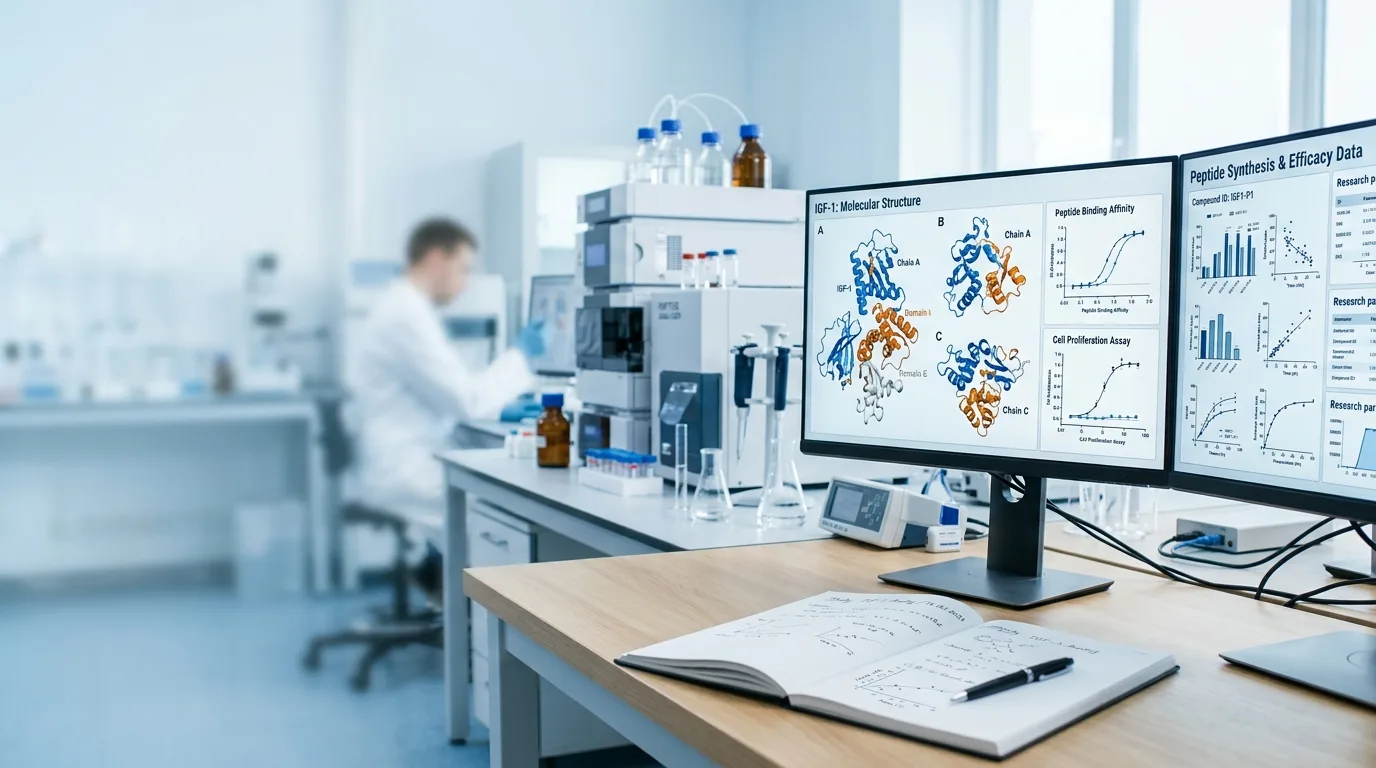
Researchers exploring IGF-1 LR3 and CJC-1295 combination risks must understand that stacking these potent peptides can amplify dangerous side effects—from glucose dysregulation to joint degeneration—requiring careful protocol design and monitoring.

AdminUpdated Jul 2814 min
Humanin MOTS-C Longevity Peptide Stack Benefits
Peptide Mechanisms

Humanin MOTS-C Longevity Peptide Stack Benefits

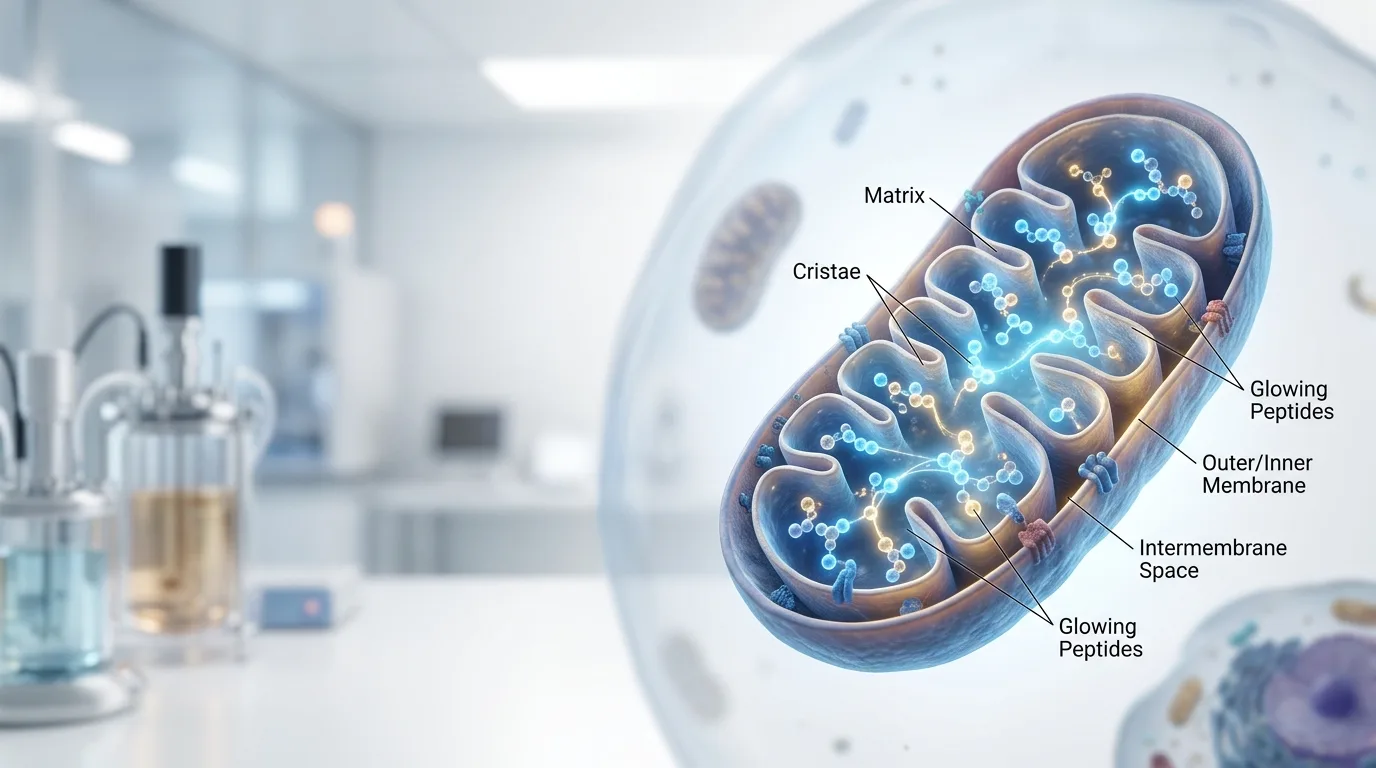
Discover how humanin and MOTS-c longevity peptide stack benefits revolutionize cellular aging—the mitochondrial peptides most stacking protocols completely overlook.

AdminUpdated Jul 2812 min
Selank Semax Stack: Cognitive Nootropic Peptides
Cognitive Health & Aging

Selank Semax Stack: Cognitive Nootropic Peptides

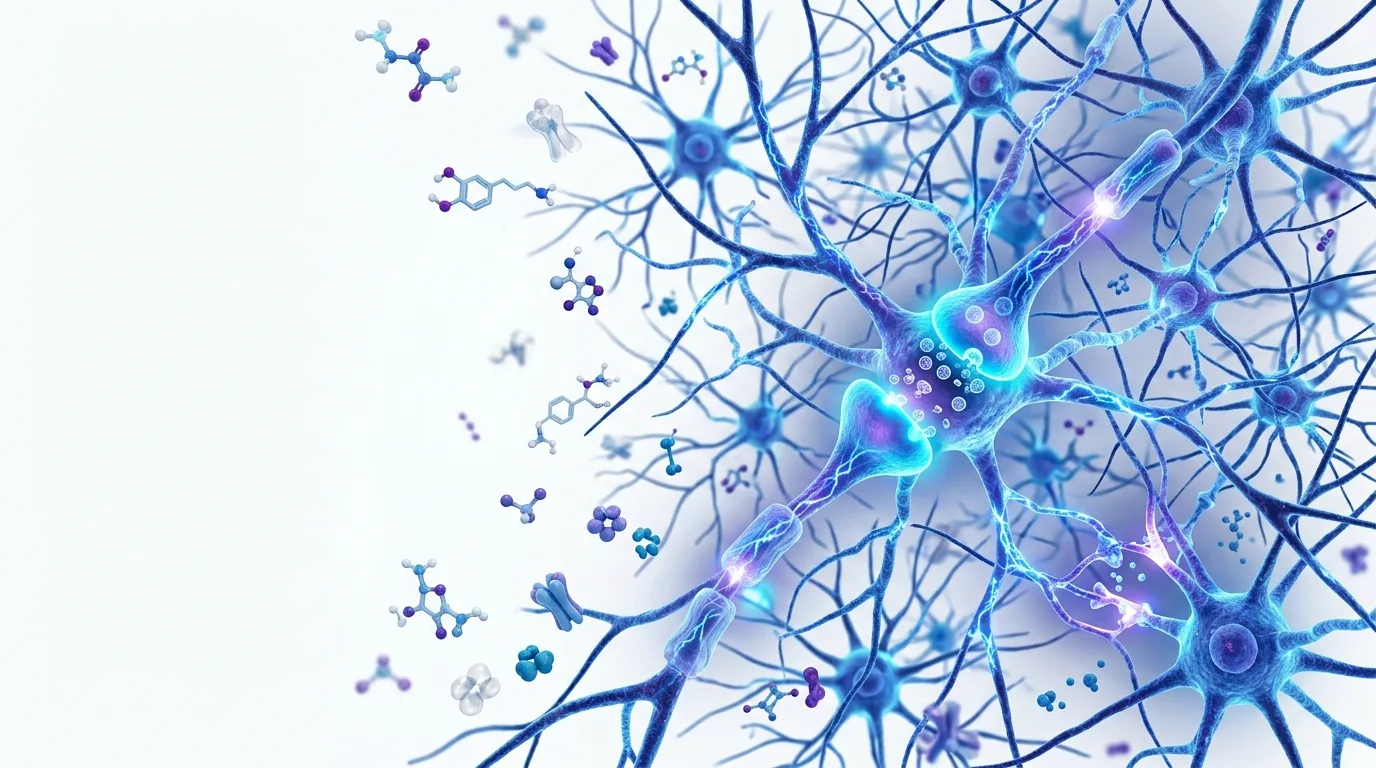
Discover how the Selank and Semax stack cognitive nootropic peptides combination enhances mental performance beyond single-peptide use, with emerging research showing synergistic benefits for focus, anxiety, and cognitive clarity.

AdminUpdated Jul 2811 min
Circadian Timing Peptide Stack GH Receptor
Peptide Mechanisms

Circadian Timing Peptide Stack GH Receptor

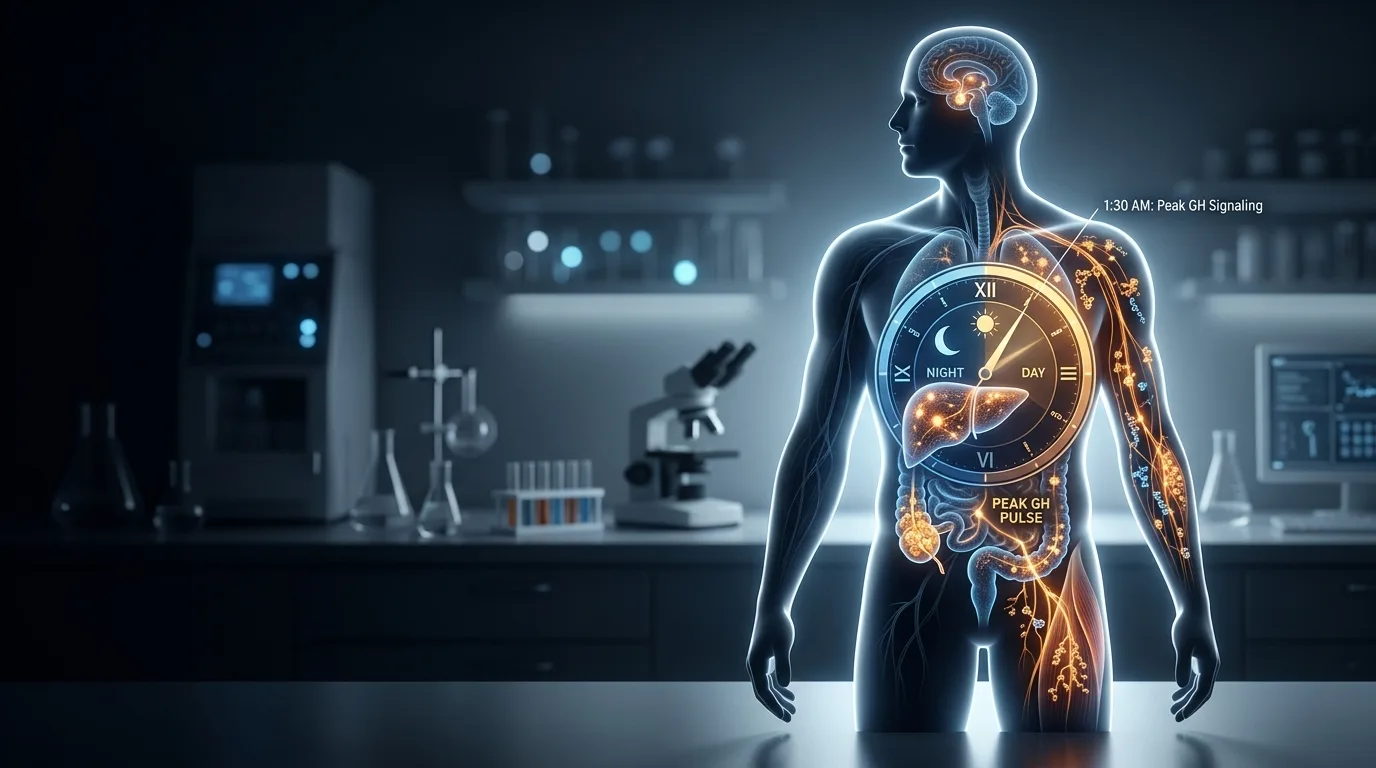
Your peptide stack's effectiveness hinges on timing—discover how circadian timing peptide stack protocols align GH receptor expression with your body's natural rhythms for optimal results.

AdminUpdated Jul 2813 min
DPP-IV Peptides: Co-Administration Interaction
Peptide Mechanisms

DPP-IV Peptides: Co-Administration Interaction

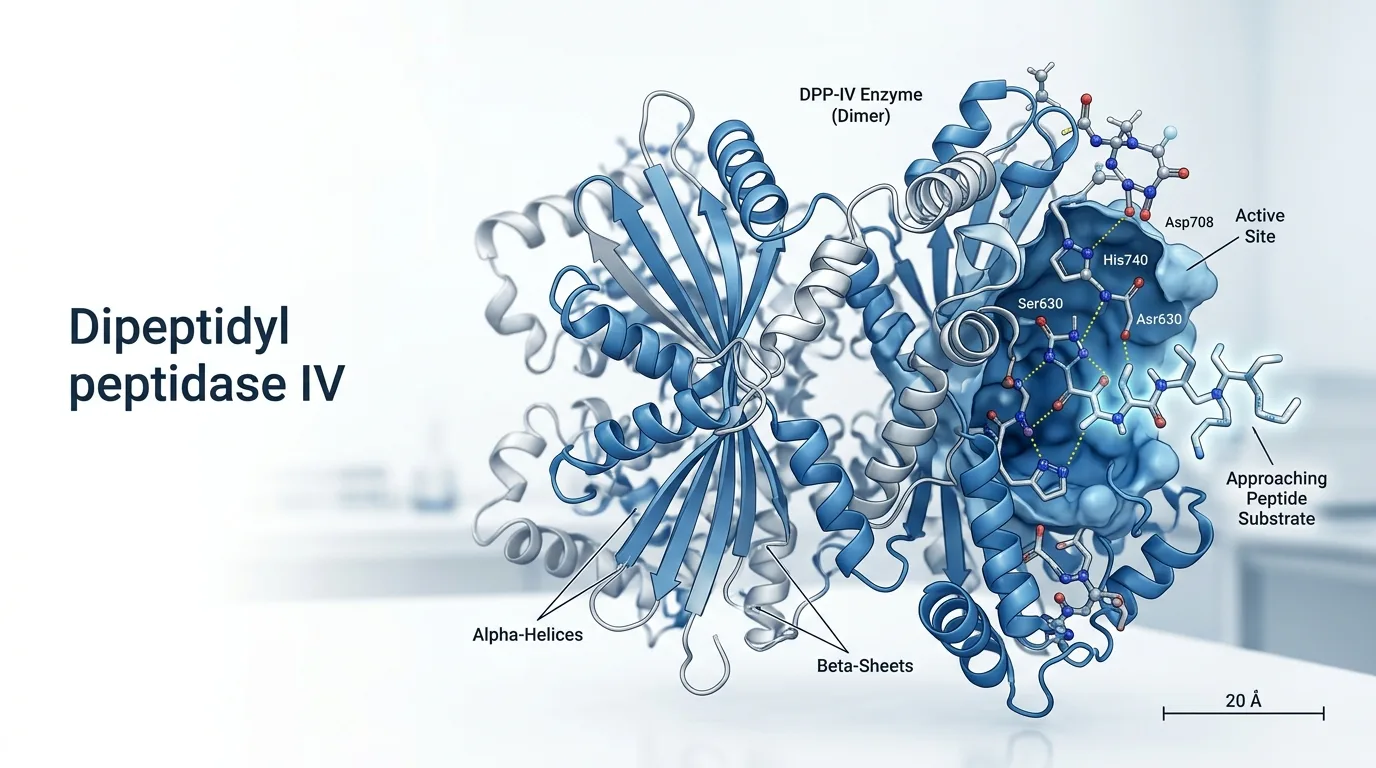
Discover how DPP-IV sensitive peptides co-administration interaction can unexpectedly reshape peptide stack effectiveness by competing for the same degradation pathway rather than simply adding effects.

AdminUpdated Jul 2812 min
AOD-9604 Stack: Growth Without IGF-1
Peptide Mechanisms

AOD-9604 Stack: Growth Without IGF-1

Discover why AOD-9604 stands apart in peptide stacking: this growth hormone fragment offers targeted fat loss without triggering IGF-1 elevation, making it a mechanistically unique choice for sophisticated protocols.

AdminUpdated Jul 2811 min
BPC-157 Research History Croatian Lab
Clinical Evidence & Mechanisms

BPC-157 Research History Croatian Lab

In a Zagreb laboratory during the Yugoslav dissolution, researchers isolated a gastric protein sequence that would anchor decades of peptide research—a discovery born from rigorous pharmacology rather than commercial ambition.

AdminUpdated Jul 2815 min
Why BPC-157 Isn't FDA Approved Yet
Regulatory & Approval Status

Why BPC-157 Isn't FDA Approved Yet

After 30 years and 150 peer-reviewed publications, BPC-157 remains without FDA approval—a puzzle that reveals how regulatory pathways, funding constraints, and the absence of large-scale human trials can stall a compound indefinitely.

AdminUpdated Jul 2810 min
BPC-157 Mechanism of Action Nitric Oxide
Peptide Mechanisms

BPC-157 Mechanism of Action Nitric Oxide

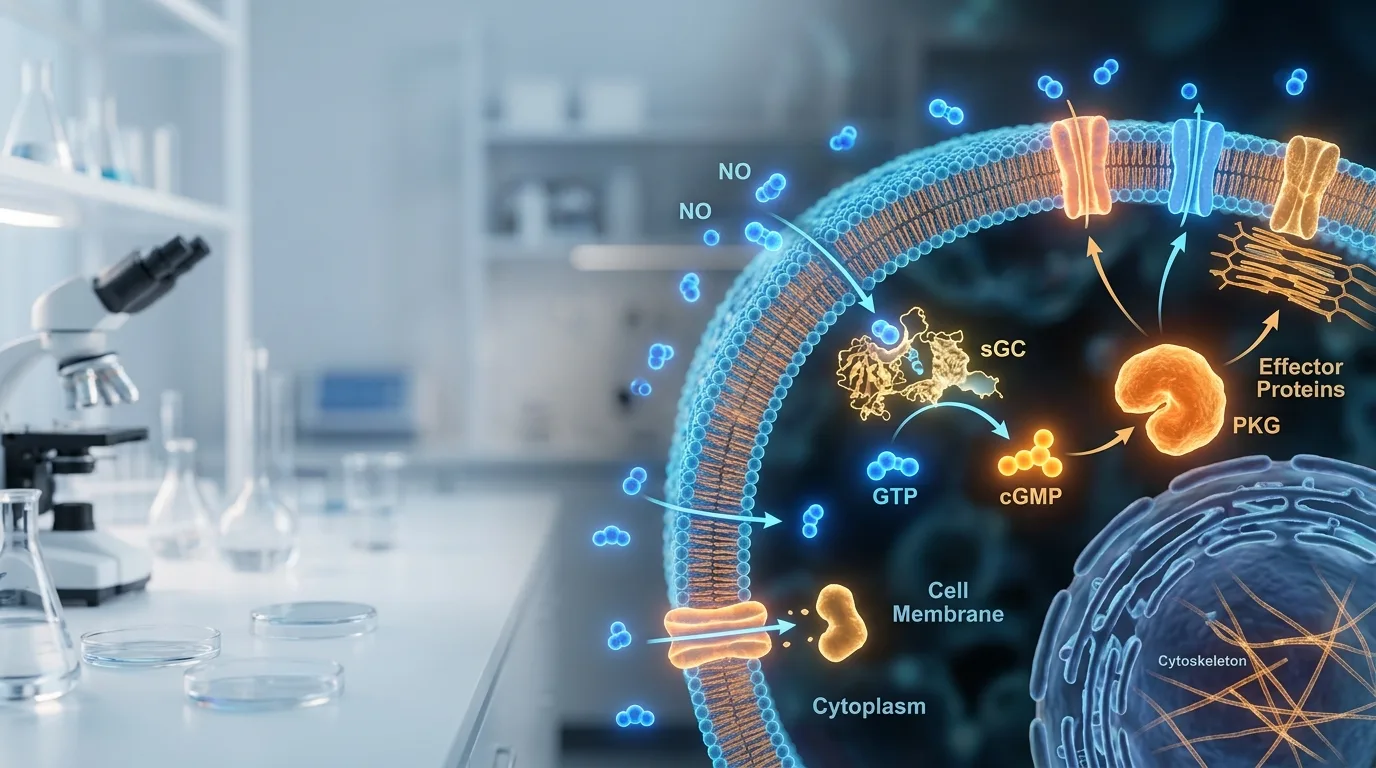
A 1991 investigation at the University of Zagreb identified a peptide sequence in gastric juice whose mechanism of action is hypothesized to involve nitric oxide signaling—a discovery that has since generated decades of mechanistic inquiry across multiple animal models.

AdminUpdated Jul 2813 min
GHK-Cu and Wound Healing: Evidence Reviewed
Clinical Evidence & Mechanisms

GHK-Cu and Wound Healing: Evidence Reviewed

GHK-Cu wound healing peptide research reveals a fascinating gap: extensive cellular evidence exists, yet human clinical trials remain scarce—we examine what the science actually shows.

AdminUpdated Jul 2814 min
GHK-Cu vs AHK-Cu Copper Peptides
Peptide Mechanisms

GHK-Cu vs AHK-Cu Copper Peptides

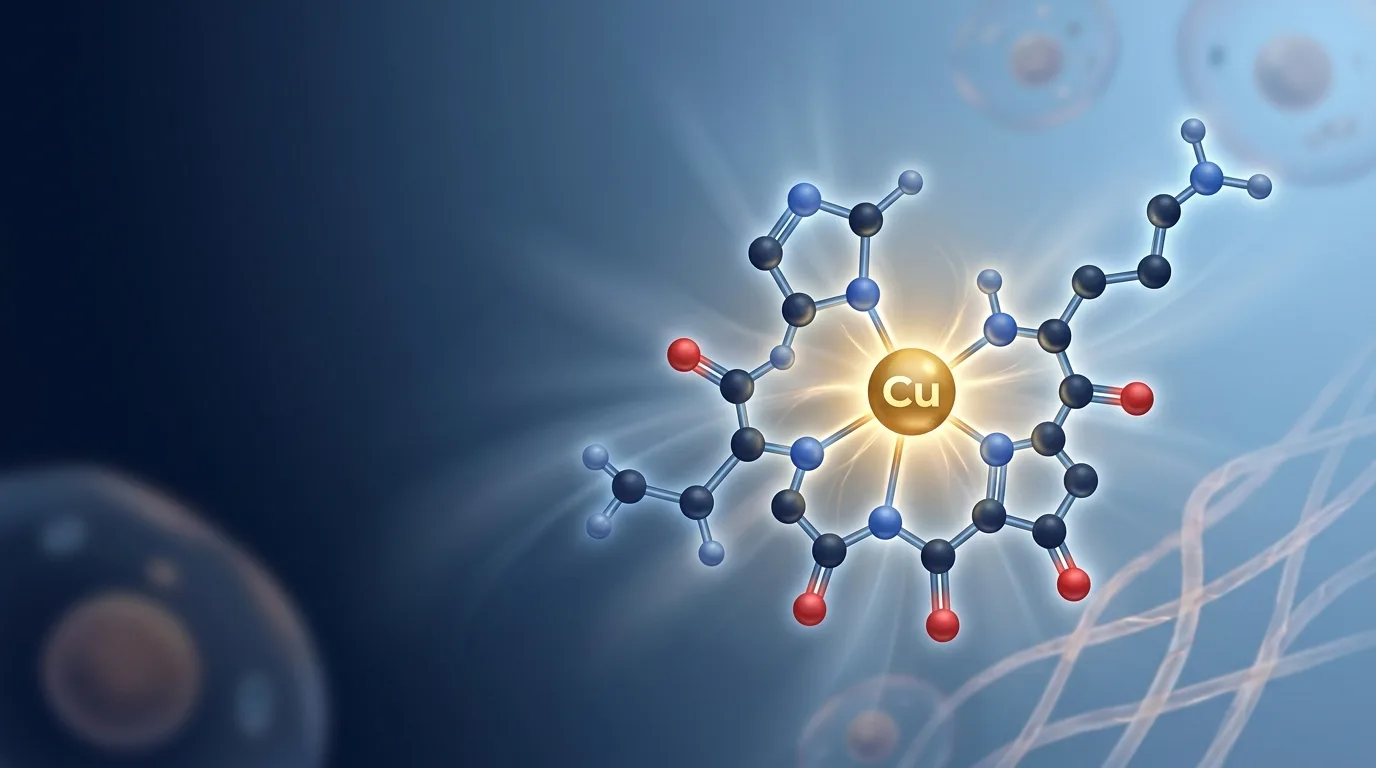
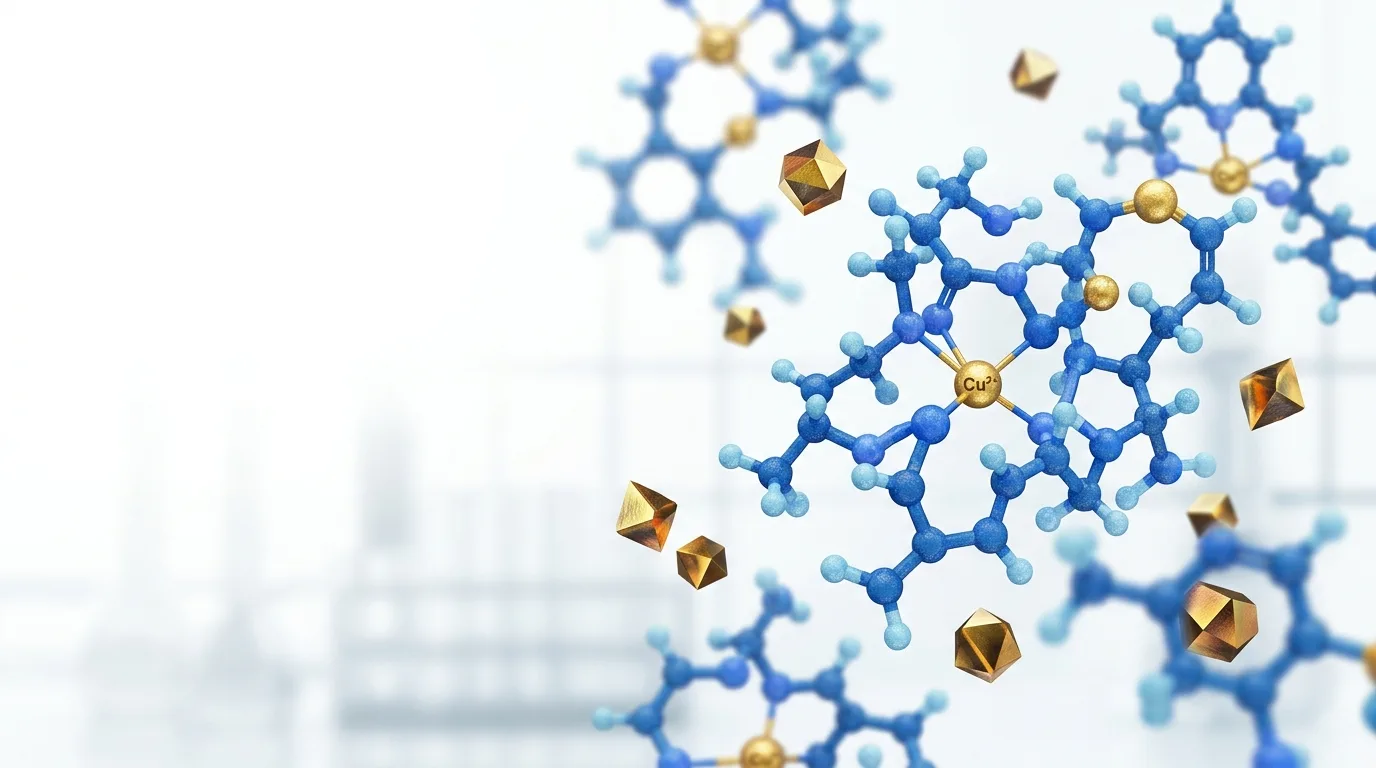
Discover how swapping a single amino acid creates two distinct copper peptides with vastly different effects. Explore the GHK-Cu vs AHK-Cu comparison and understand what makes these copper peptides work at the molecular level.

AdminUpdated Jul 2812 min
GHK-Cu Age-Related Plasma Decline Explained
Peptide Mechanisms

GHK-Cu Age-Related Plasma Decline Explained

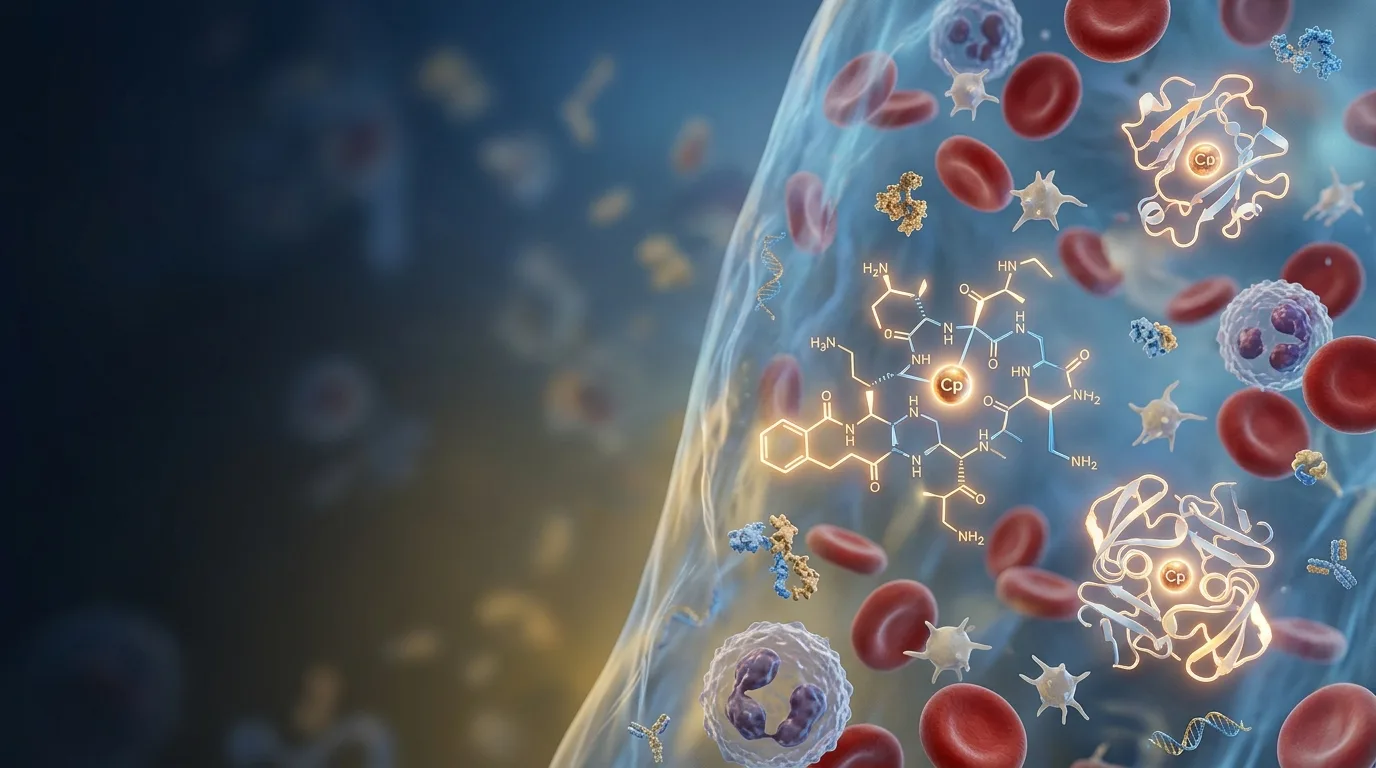
Discover why GHK-Cu age-related plasma decline is a hidden driver of aging: this crucial peptide drops over 50% by age 60, fundamentally altering your body's ability to repair tissue and maintain youthful vitality.

AdminUpdated Jul 2811 min